
Welcome to Dehai Tao P.C.
This land flourished because it was fed from so many sources – because it was nourished by so many cultures and traditions and peoples. - Lyndon B. Johnson
"A simple way to take measure of a country is to look at how many want in.. And how many want out." ― Tony Blair

"We came to America, either ourselves or in the persons of our ancestors, to better the ideals of men, to make them see finer things than they had seen before, to get rid of the things that divide and to make sure of the things that unite." Woodrow Wilson

"The bosom of America is open to receive not only the Opulent and respected Stranger, but the oppressed and persecuted of all Nations and Religions; whom we shall welcome to a participation of all our rights and privileges…" George Washington

"We are a nation of immigrants. We are the children and grandchildren and great-grandchildren of the ones who wanted a better life, the driven ones, the ones who woke up at night hearing that voice telling them that life in that place called America could be better."
You can go to live in France, but you can’t become a Frenchman. You can go to live in Germany or Italy, but you can’t become a German, an Italian or for that matter any country in the world. But anyone, from any corner of the world, can come to live in the United States and become an American
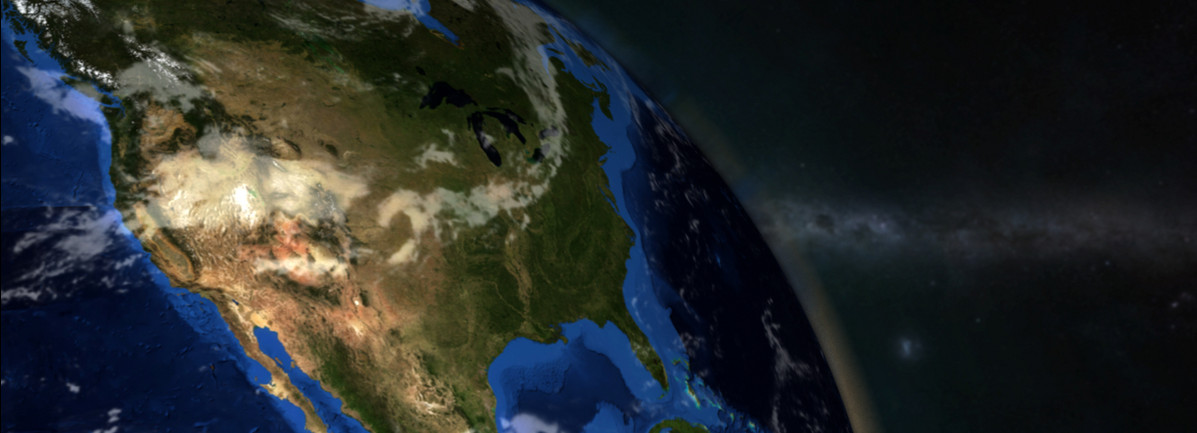
"Let the poor the needy and oppressed of the Earth, and those who want Land, resort to the fertile lands of our western country, the second land of Promise, and there dwell in peace, fulfilling the first and great commandment." -George Washington

"It says something about our country that people around the world are willing to leave their homes and leave their families and risk everything to come to America. Their talent and hard work and love of freedom have helped make America the leader of the world. And our generation will ensure that America remains a beacon of liberty and the most hope fill society this world has ever known." ..... George W. Bush
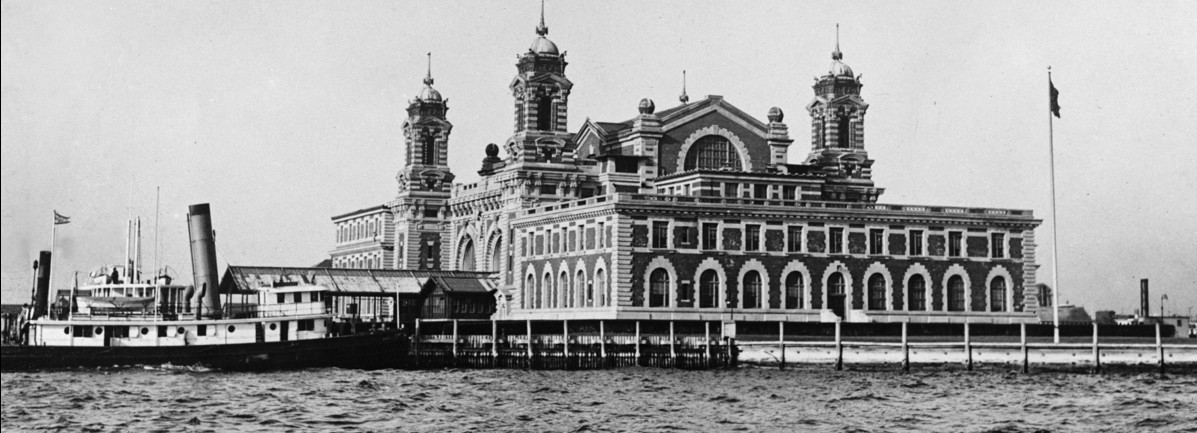
"When my family came from England during the war, people said, "You are welcome here. What can we do to help?" I am a beneficiary of the American people’s generosity"..Madeleine Albrighth
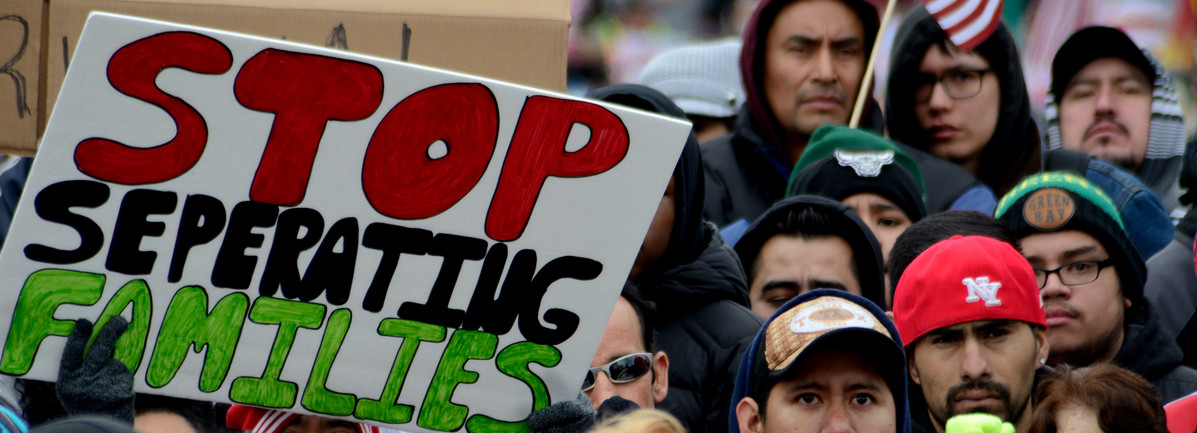
"Yes, they broke the law, but it’s not a felony. It’s an act of love, it’s an act of commitment to your family" -- Jeb Bush
B-1 Temporary Business Visitor
You may be eligible for a B-1 visa if you will be participating in business activities of a commercial or professional nature in the United States, including, but not limited to:
- Consulting with business associates
- Traveling for a scientific, educational, professional or business convention, or a conference on specific dates
- Settling an estate
- Negotiating a contract
- Participating in short-term training
- Transiting through the United States: certain persons may transit the United States with a B-1 visa
- Deadheading: certain air crewmen may enter the United States as deadhead crew with a B-1 visa
Eligibility Criteria
You must demonstrate the following in order to be eligible to obtain a B-1 visa:
- The purpose of your trip is to enter the United States for business of a legitimate nature
- You plan to remain for a specific limited period of time
- You have the funds to cover the expenses of the trip and your stay in the United States
- You have a residence outside the United States in which you have no intention of abandoning, as well as other binding ties which will ensure your return abroad at the end of the visit
- You are otherwise admissible to the United States
Application Process
Aliens seeking a B-1 visa from certain countries may be able to enter the United States without a visa. If you are in the United States in another valid non immigrant status, you may be eligible to change to B-1 status. To change to B-1 status, you must file a Form I-539, Application to Extend/Change Non immigrant Status.
Period of Stay/Extension of Stay
Initial Period of Stay1 to 6 months; 6 months is the maximum
Extension of StayUp to 6 months; maximum total amount of time permitted in B-1 status on any one trip is generally 1 year.
At the port of entry, an immigration official must authorize your admission to the United States, and, if you are eligible for admission, you may be admitted initially for the period necessary to carry out your business activities, up to a maximum period of 1 year. If you who wish to stay beyond the time indicated on the Form I-94 without departing from the United States, you must file Form I-539, Application to Extend/Change Non immigrant Status and submit any required supporting documents to USCIS.
Family of B-1 Visa Holders
Your spouse and children are not eligible to obtain a dependent visa. Each of your dependents who will be accompanying or following to join you must apply separately for a B-2 visa and must follow the regulations for that visa.
Certain B-1 Activities that Require an Employment Authorization Document
The following types of B-1 business visitors require employment authorization:
- A personal or domestic servant who is accompanying or following to join an employer who seeks admission into, or is already in, the United States in a B, E, F, H, I, J, L, or TN non immigrant classification.
- A domestic servant of a U.S. citizen accompanying or following to join his or her U.S. citizen employer who has a permanent home or is stationed in a foreign country, and who is temporarily visiting the United States.
- An employee of a foreign airline engaged in international transportation of passengers freight, whose position with the foreign airline would otherwise entitle the employee to treaty trader non immigrant classification (E-1) and who is precluded from such classification solely because the employee is not a national of the country of the airline's nationality or because there is no treaty of commerce and navigation in effect between the United States and the country of the airline's nationality.
Note: All applicants for a B-1 visa or admission as a B-1 business visitor as a personal or domestic servant described above must demonstrate the following:
- You have a residence abroad in which you have no intention of abandoning
- You have at least 1 year of experience as a personal or domestic servant
- You have been employed abroad by your employer for at least 1 year prior to the employer’s admission into the United States or if you have been employed abroad by the employer for less than 1year, the employer must show that while abroad, he or she has regularly employed a domestic servant in the same capacity as that intended for your employment
Before you may commence employment in any of the above three activities, you will need to file Form I-765, Application for Employment Authorization.
Understanding B-1 Requirements
Below are some key requirements you must fulfill to apply for a B-1 Visa. For each requirement, we have included forms of evidence that you may submit to meet the requirement and other tips to help you prepare your petition.
Note: If you are in the United States in another valid non immigrant status, you may be eligible to change to B-1 status. To change to or extend your B-1 status, you must file a Form I-539, Application to Extend/Change Non immigrant Status, with USCIS. If you require a B visa to travel and be admitted to the United States, you must apply to the Department of State at a U.S. consulate abroad, generally in your home country. You can view the full requirements and application process at the State Department website. Once you have been admitted to the United States as a B non immigrant, you can apply for an extension of B non immigrant stay with USCIS.
Requirement 1 - You must be coming to the United States only for a short, defined period of time.
The B-1 non immigrant visa category is not meant for extended, long-term activity, but rather for a definite and specific activity. The maximum period of initial admission to the United States as a B-1 non immigrant is typically 6 months, but the actual period of admission will be for a period of time which is fair and reasonable for completion of the purpose of the visit (and therefore may be less than 6 months).
You must be able to show you have sufficient funds to cover the expenses of the trip and your stay in the United States. You must also show you maintain your residence abroad, which you have no intention of abandoning, and that you have other binding ties which will ensure your return abroad at the end of the visit.
+ How do I show that I intend to remain for a limited time?
Some of the evidence you may submit to demonstrate your intent to remain for a limited time includes:
- Ticketed return travel, evidence of other meetings or time-sensitive activities you need to engage in after returning.
- Evidence of property ownership in your home country, ties to family (such as a spouse and children), and evidence of employment in your home country.
- Evidence that your participation in an incubator or accelerator program is for a limited duration.
+ How do I prove that I have sufficient funds to cover my stay in the United States?
Some of the evidence you may submit to demonstrate that you have sufficient funds to cover your stay in the United States without working includes:
- Documentation regarding credit limits, bank accounts, cash on hand, or other means to pay for your expenses.
- Evidence that expenses have already been paid, such as ticketed (domestic) air travel.
+ How do I demonstrate compelling social and economic ties abroad?
Some of the evidence you may submit to demonstrate social and economic ties abroad includes:
- Foreign bank accounts
- Mortgage or rental agreement documenting residence abroad
- Foreign property owned
- Family members outside the United States
- Employment outside the United States
- Contractual or other legal commitments outside the United States
Requirement 2 - You must be coming to the United States to engage in "business."
The B-1 visa is intended only for business activities that are a “necessary incident” to your business abroad. This covers a wide range of activities such as attending meetings, consulting with associates, engaging in negotiations, taking orders for goods produced and located outside the United States, attending conferences, and researching options for opening a business in the United States (such as locating or entering into a lease for office space). Generally speaking, you cannot engage in any activity or perform a service that would constitute local employment for hire within the United States. What constitutes local employment for hire will depend on the circumstances of each case, but generally speaking, any activity you perform in the United States must be directly connected with and part of your work abroad.
If you are coming to secure funding for a new business, you cannot remain in the United States after securing the funding to start actual operations or to manage the business, unless you change status to another classification that authorizes employment in the United States.
+ How do I demonstrate that the purpose of my trip is to explore starting a business?
Some of the evidence you may submit to demonstrate that the purpose of your trip is to explore starting a business includes:
- A written statement detailing the purpose of your visit, the activities you will participate in, and the intended duration of your stay
- Meeting confirmations (letters, emails, etc.)
- Meeting agendas / outlines / read-aheads
- Invitations for trade shows, conferences, meetings, etc.
- Evidence of acceptance into an incubator or accelerator program, including a description of the program activities and duration
- Evidence of the source of payment or other compensation, if any, you will be receiving while in the United States
Requirement 3 - You cannot draw any salary from a United States entity.
It is permissible to conduct business activities on behalf of a foreign employer, but no salary may come from a U.S. source. In some cases, however, you may receive reimbursement from a U.S. source for reasonable incidental expenses incurred while in the United States.
Note: There can be no guarantee that the U.S. Department of State (DOS) will issue you a B-1 visa, or that DHS will grant you B-1 status, even if you present the evidence described above. A consular or DHS officer will look at all the relevant facts before determining whether to issue you the B-1 visa. As such, it is important to fully explain the purpose of your visit or stay, and the activities you will be doing, so that USCIS (or DOS) can make an informed decision on your application.
Exception - You may be exempt from the visa requirement if you are from a visa waiver country.
If your country is listed on the State Department’s list of visa waiver countries, you may not need a B visa stamp to enter the United States and engage in your business visitor activities. If you choose this route, you will only be allowed to stay in the United States for a maximum of 90 days at a time and, except in an emergency, cannot extend that time. Note that persons from certain other countries, such as Canada, are also exempt from the visa requirement but are not subject to the 90-day rule.